Strategy Postflop
C-Betting in PLO: When Every Flop Hits Someone
August 16, 2026 · 5 min read
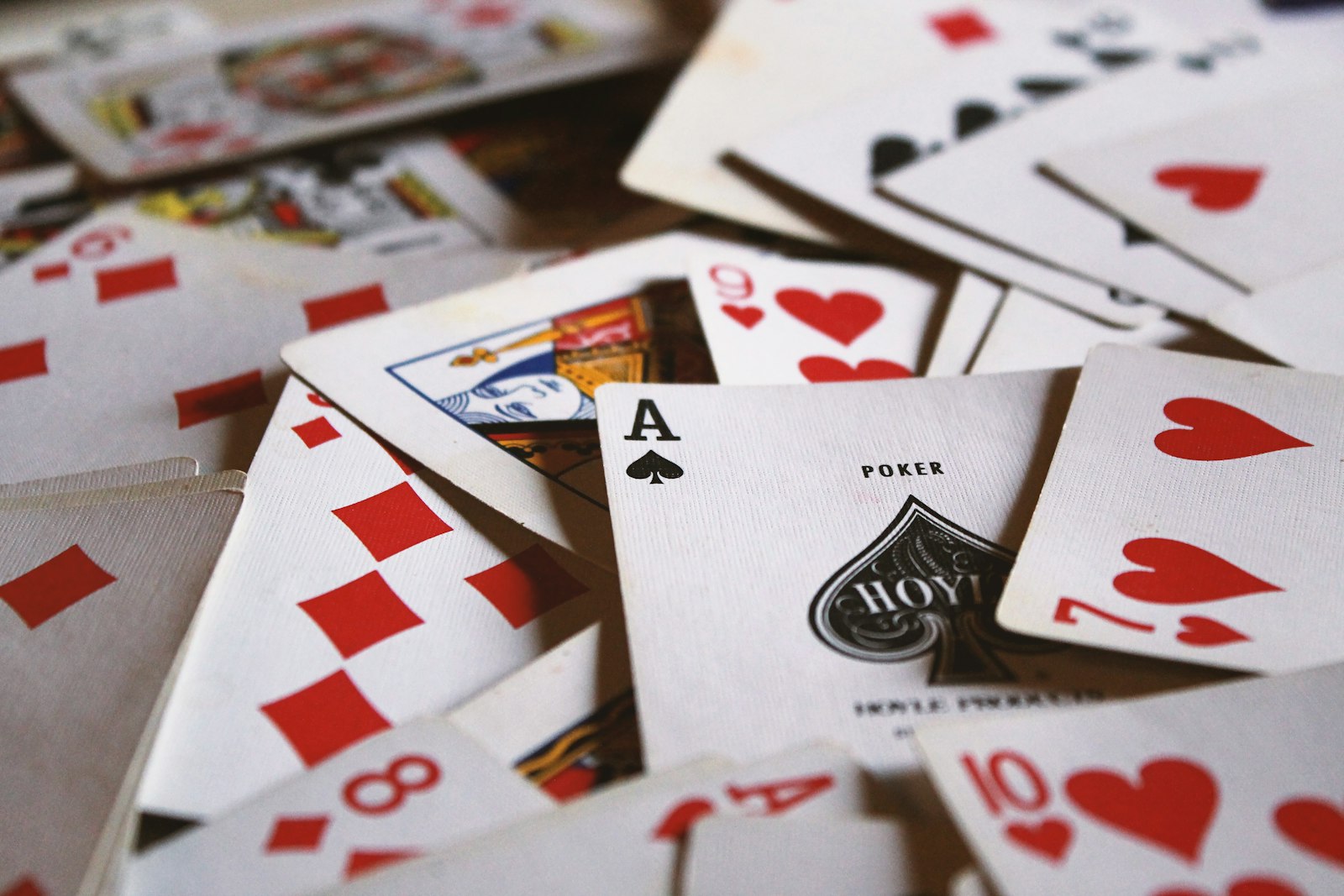
Somewhere around 2010, every Hold'em player learned the same profitable trick: raise preflop, bet two-thirds pot on almost any flop, collect. The autopilot c-bet worked because NLHE hands miss flops two-thirds of the time, and the preflop raiser's range hit hardest on most textures. Bring that autopilot to PLO and it drives you straight into a wall — for a reason you can state in one sentence: with six two-card combinations each, nobody misses flops often enough for automatic bluffing to work.
A four-card hand connects with something — a pair, a gutter, a backdoor flush — on the vast majority of flops. Your single opponent folding rate to a flop c-bet drops accordingly, and in the multiway pots PLO produces constantly, someone has flopped a real hand almost always. The c-bet survives in Omaha, but as a decision, not a reflex. Here's how to make it.
The three questions that replace the reflex
1. How many opponents? This is the dominant variable, and it's brutal. Heads up, a well-chosen c-bet works fine. Three-way, your bluffing frequency should drop sharply. Four-way or more, c-bet bluffs are close to lighting money on fire — the chance that every player missed a four-card hand is tiny. In multiway pots, your betting range collapses toward value and the strongest draws, and checking becomes your default with everything else. This isn't weakness; it's arithmetic.
2. Whose range does this board hit? Boards that favor the preflop raiser: high, dry textures like A-K-4 rainbow or K-7-2, which smash the big-pair, big-card hands in a raising range while missing the rundowns that called. C-bet these liberally — they're the closest thing PLO has to an auto-bet spot. Boards that favor the caller: middling, connected, two-tone textures like 9-8-6 with a flush draw. A caller's range of rundowns and suited connectors lives on these flops; your AAKQ just became a bluff-catcher. Betting "to find out where you are" on 9-8-6 two-tone finds out, expensively.
3. What does my actual hand want? PLO hands split into clear c-betting classes:
- Big made hands with redraws (top set, nut straight plus backup): bet pot, bet again. There is no slowplaying on dynamic boards — every turn card threatens to change the nuts, and the field has too much equity to give free cards.
- Big draws (nut wraps, nut-flush draws with pair or straight backup): bet them hard. A 13-plus-out wrap is often the equity favorite even against a made hand, so these bets are barely bluffs — you're building a pot you frequently win, while giving yourself the extra way to win it now.
- Medium made hands (bare overpairs, two pair without redraws, non-nut trash): check far more than instinct says. These hands hate every raise, most turn cards, and all big pots. They want cheap showdowns, and betting them builds exactly the pot they can't handle.
- Air with good backdoors: fine bluffing candidates heads-up on raiser-friendly textures — backdoor nut-flush and straight cards give you real barrel-improving outs — and easy checks multiway.
Sizing: mostly big, occasionally small, never "information"
When you do bet in PLO, default toward large — two-thirds to full pot. Equities run close, so most hands you bet (value or semi-bluff) genuinely want to charge draws and deny the field its abundant equity; small bets give a table full of six-combination hands irresistible prices. Small c-bets (one-third pot) have a niche on the super-dry ace-high boards where nobody has enough equity to continue anyway and you're happy betting your whole range cheaply. What has no niche is the "information bet" — in a game where a call tells you almost nothing about four hidden cards, you're paying real money for fake data.
The turn is the real street
PLO c-bet strategy is incomplete without a barrel plan, because flop calls are so wide. Three turn principles:
Barrel cards that help your range, not your hand. When the turn pairs the board or completes the obvious draw you were representing, pressure works — the caller's medium hands (bare pairs, naked two pair) shrink on those cards whether or not your specific hand improved.
Shut down when the caller's range fills in. Turn cards that complete the middling straights and flushes a flop-calling range is full of — the 7 on 9-8-x, the third heart — are stop signs for your bluffs and caution flags for your medium value.
Respect the geometry. A flop pot-bet triples the pot, which makes the turn pot-bet three times bigger and the river bet nine times. Every barrel you fire commits you to a geometrically bigger decision one street later. Plan the whole line before the flop bet: "bet flop, barrel any spade or Broadway turn, give up on straight-completers" is a line; "bet and see" is a donation schedule.
The delayed c-bet and the check-raise
Checking in position as the raiser is one of PLO's most underused weapons. On caller-friendly boards, checking back your medium hands and air lets you realize equity, dodge check-raises, and bluff the turn credibly when the caller's flop check-call range checks again. Out of position, the check-raise carries your strongest hands and draws: leading into a raiser's range on a board that hits you invites a raise you can't handle, while check-raising a pot-bet builds the same pot with initiative and maximum pressure.
The unifying idea is that checking is a line, not an absence of one. The players who lose with c-bets in PLO are the ones for whom betting is the plan and checking is the apology.
A one-paragraph field guide
Heads up, in position, dry high board: bet, usually small-to-medium, with your whole range. Heads up, connected middle board: bet your value-plus-redraws and big draws big; check the rest. Multiway, any board: bet the nuts and the near-nut draws, check everything else, and fold to aggression without a nut-class hand or draw. That paragraph, applied with discipline, outperforms the autopilot c-bet by miles — because it's built on the fact the autopilot ignores: in Omaha, every flop hits someone, and your job is to know when that someone is you. For the deeper "which hands can stand pressure" question, the nut potential article is the companion piece to this one.