Strategy Fundamentals
Position: The Most Underpriced Edge in PLO
August 8, 2026 · 5 min read
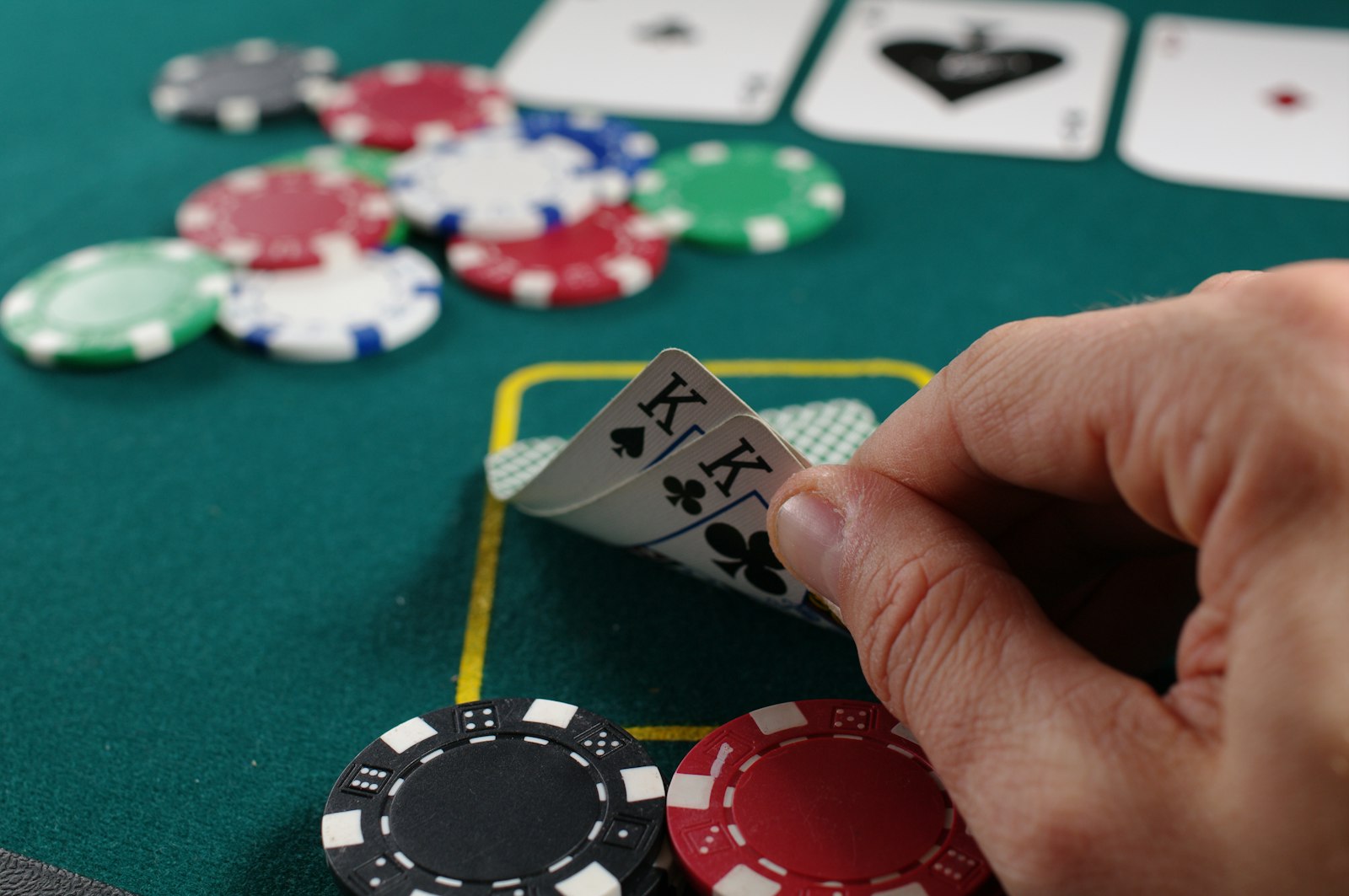
Ask a strong PLO player what they would give up last — a better hand, a bigger stack, or the button — and the answer comes fast. Hands are dealt fresh every thirty seconds; stacks refill. The button is the one edge you can choose to have more often than your share, simply by playing your position correctly and punishing players who don't. Hold'em players arrive knowing position matters. What they underestimate is how much more it matters here, and why.
Why position is worth more in PLO than in NLHE
Close equities make realization the battleground. When preflop all-ins are 60/40 instead of 80/20, raw hand strength decides less and equity realization — how much of your theoretical share you actually collect — decides more. Position is the single biggest lever on realization. The last player to act sees every check and bet before deciding, takes free cards when a draw wants one, value-bets thinly when checked to, and controls the pot's size on every street. A hand worth 45% of the pot in a simulator can realize 55% on the button and 35% out of position. In a game of small edges, that spread is the game.
Pot-limit geometry compounds the option value. In a pot-limit game, each street's maximum bet is set by the pot's current size — and the pot roughly triples every time a pot-bet gets called. The in-position player effectively holds the keys to that escalation: acting last, they decide whether the street ends cheap or triples, with more information than anyone else at the table. That decision is worth a little on the flop, more on the turn, and a fortune on the river. Out of position you make the same decisions blind, first, on every street.
Four cards make information scarcer. Reading a Hold'em hand means narrowing two cards. Reading a PLO hand means narrowing four — six two-card combinations that can flip from monster to air on a single turn card. When ranges are this wide and this volatile, every scrap of information gains value, and the positional player gets a full extra action's worth of it on every street.
Multiway pots punish the middle. PLO pots go three- and four-way constantly, and in multiway pots the early positions suffer twice: they act first against several unknowns, and they can be caught in raising crossfire — calling a bet only to face a raise behind. The button, by contrast, closes the action and knows the exact price of every decision.
What this changes preflop
The practical translation is asymmetry: your opening standards should swing more by seat in PLO than they ever did in Hold'em.
- Early position: open only hands that flop nut-heavy and play well in raised, multiway pots — quality double-suited big pairs, premium high rundowns, four connected Broadways. The speculative middle of your Hold'em instincts (mid rundowns, small double pairs, bare suited aces) bleeds money from these seats.
- The button: this is where speculative, coordinated hands print. A hand like 9♠8♠7♦6♦ that is a fold under the gun becomes a comfortable open or call on the button, because position converts its many medium-strength flops from guessing games into controlled, profitable streets.
- The blinds: the small blind is the worst seat in poker and PLO makes it worse. Defend the big blind selectively and nut-oriented; playing large pots out of position with hands that flop non-nut draws is the quietest leak in most players' games. Getting a "discount" is not a reason to play three streets blind.
A serviceable rule: from early seats, ask "does this hand want a raised multiway pot from out of position?" On the button, ask only "is this hand coordinated enough to be worth a flop?" The two questions have very different pass rates.
What this changes postflop
In position, widen everything. Bet more thinly for value, semi-bluff more draws, float more flops with backdoor equity, and take free cards exactly when your hand wants them. Many PLO hands — pair plus backdoors, weak wraps, non-nut flush draws — are simply different hands in position: their bad outcomes get cheaper and their good outcomes get bigger.
Out of position, plan shorter hands. Without the informational and pot-control edge, favor lines that end streets early or define the pot fast: check-raising your strongest hands and draws rather than leading into the field, betting big immediately with vulnerable nut hands rather than trapping, and check-folding without shame on boards that smash the in-position caller's range. The most expensive habit an out-of-position player can develop is calling one more street "to see what happens." In PLO the next street is bigger, you still act first, and your information deficit hasn't improved.
Respect the sandwich. In multiway pots, being between the bettor and players still to act is its own kind of out-of-position. Hands that would be clear continues heads-up — medium wraps, king-high flush draws — lose value dramatically when a raise behind you is live. Count the players left to act as part of the board texture.
The compounding effect
Here is the frame that ties it together. Position in PLO is not one edge; it is a multiplier that touches every other edge you have. Your preflop hand selection gets more profitable in position because more of your flops are playable. Your postflop skill gets more valuable because you make every decision with more information. Your draws get cheaper, your value bets get thinner, your bluffs get better targeted, and the pot geometry — the tripling — happens on your terms. Meanwhile the same multiplier is working against every out-of-position opponent, hand after hand.
That's why winning PLO players look strangely tight from early position and strangely active from late position, why they three-bet in position more liberally than charts suggest, and why they fold hands from the blinds that look too pretty to fold. They aren't playing cards; they're playing seats. Play a session where you consciously ask, before every decision, "who has position for the rest of this hand?" — and notice how often that answer, more than the cards, tells you what to do. The preflop hand selection framework and the pot-limit mechanics article both deepen the individual pieces; position is the thing that connects them.